 Anyscene AI
Nano Banana 2
Gemini 3.1 Flash Image — Production Quality at Flash Speed
Nano Banana 2 is Google's Gemini 3.1 Flash Image model.
Nano Banana 2 (model id: nano-banana-2) is Google DeepMind's latest text-to-image and image-editing model, released in late 2025 as the speed-optimized sibling of Nano Banana Pro. It is the production face of Gemini 3.1 Flash Image — the same multimodal core that powers image generation in the Gemini app, Search AI Mode, and Lens, packaged as a developer-grade endpoint.
Where the original Nano Banana focused on cheap, fast drafts, Nano Banana 2 lifts the ceiling: it generates natively at 4096 × 4096 with no upscaling artifacts, renders legible in-image text across more than thirty scripts including Chinese, Japanese, Arabic, and Hindi, and holds visual consistency across up to five distinct characters and fourteen reference objects in a single workflow. The aspect ratio menu now spans eleven formats, including ultra-wide 8:1 banners and ultra-tall 1:8 mobile stories that other image models still refuse to render without forced cropping.
On anyscene.app, Nano Banana 2 is available immediately — no waitlist, no API key required. Pricing is transparent and resolution-based: 8 credits at 1K, 14 credits at 2K, 22 credits at 4K. Both text-to-image and image-to-image run on the same endpoint; uploading a reference image automatically switches the model into edit mode. Every output ships with full commercial-use rights and no watermark.
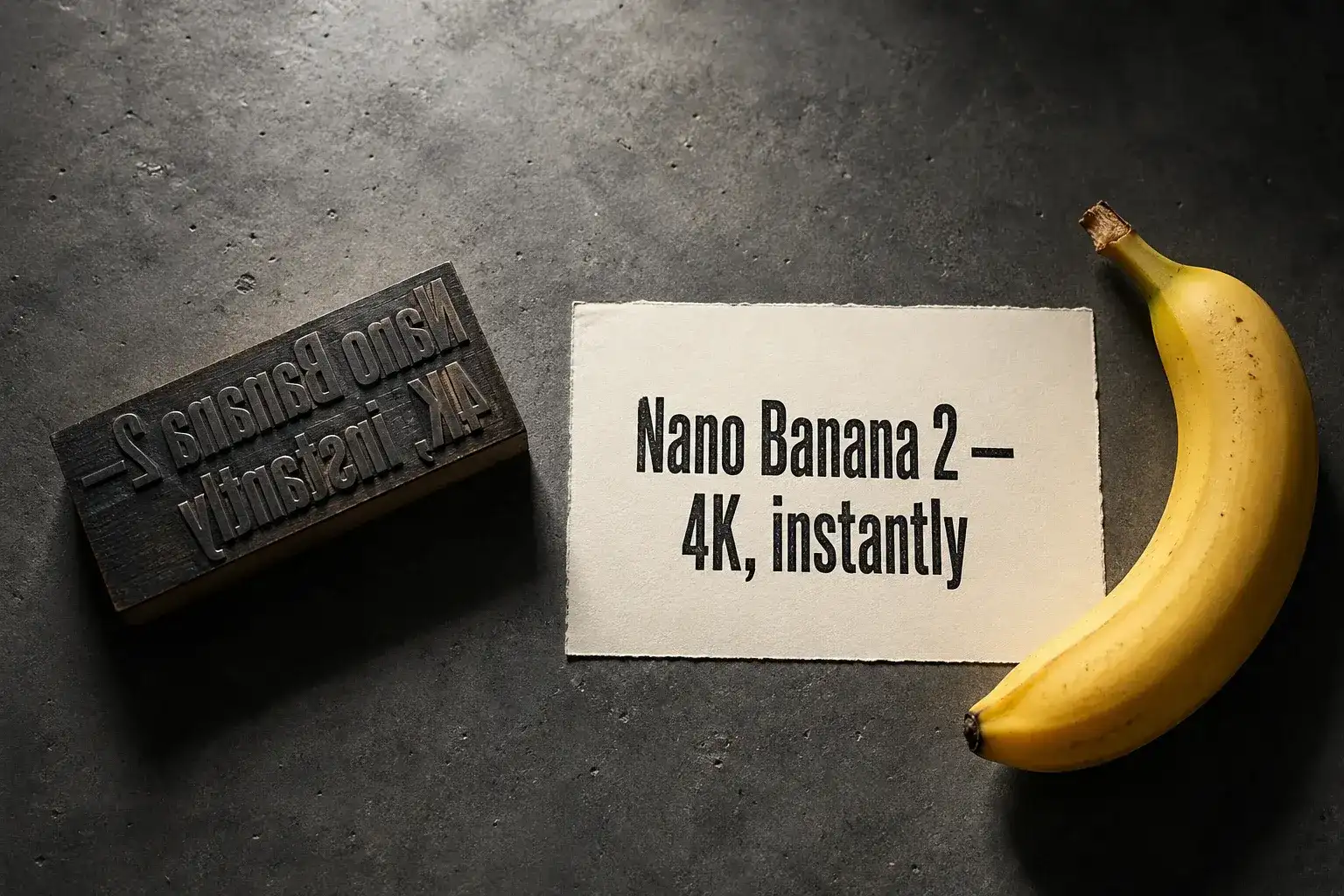
Six things Nano Banana 2 does better than the rest
Each capability is what separates Nano Banana 2 from Nano Banana Pro, GPT Image 2, Midjourney, and the rest of the field today.
Native 4K resolution
Nano Banana 2 renders directly at 4096 × 4096 — no upscaling pass, no diffusion artifacts, no smeared detail. The 4K output is the model's first-class mode, not a post-process.
First-class text rendering
Headlines, packaging copy, UI labels, comic dialogue, and street signage stay legible across more than thirty scripts. Text is treated as a structured element, not a pixel texture.
Character consistency
Hold up to five distinct characters and fourteen reference objects across an entire workflow — the same face, the same product, the same scene-to-scene continuity.
Ultra-wide & ultra-tall ratios
Eleven aspect ratios, including the rare 4:1, 1:4, 8:1, and 1:8 — for panoramic banners and full-bleed mobile stories that other models can't shoot without cropping.
Flash-grade speed
Most 1K outputs return in under eight seconds. Even 4K finishes in well under a minute on anyscene's hosted infrastructure — closer to a draft tool than a render farm.
Web-grounded knowledge
Gemini 3.1's reasoning core gives Nano Banana 2 real-world context: current product designs, recognizable architecture, accurate maps, and up-to-date cultural references — without retraining.
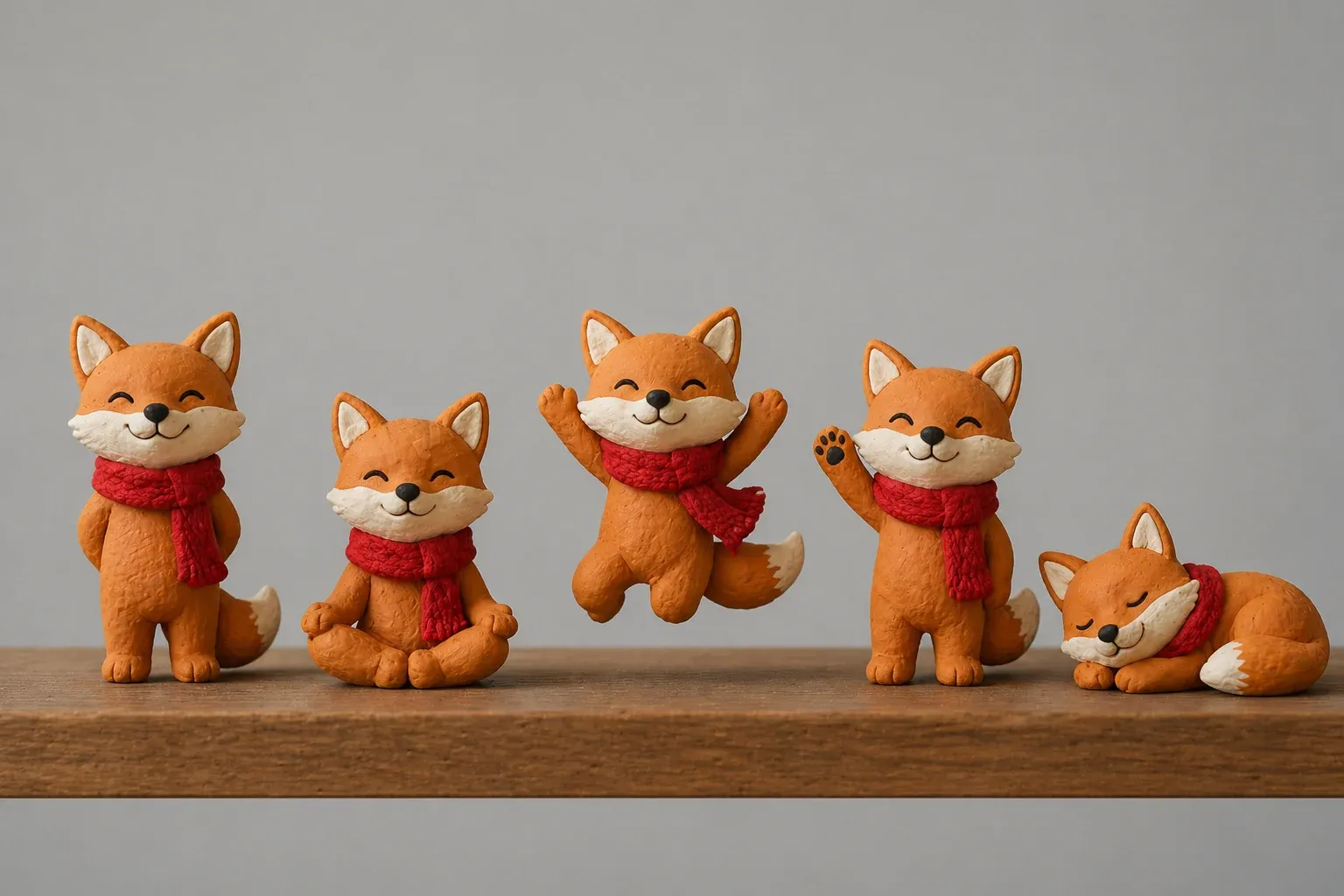
Same character. Five poses. Zero drift.
Five identical clay figurines of the same fox character with a red scarf, photographed in five different poses on the same wooden shelf. Nano Banana 2 holds face proportions, color, and craft style locked across the entire row — the same identity test that breaks most other image models.
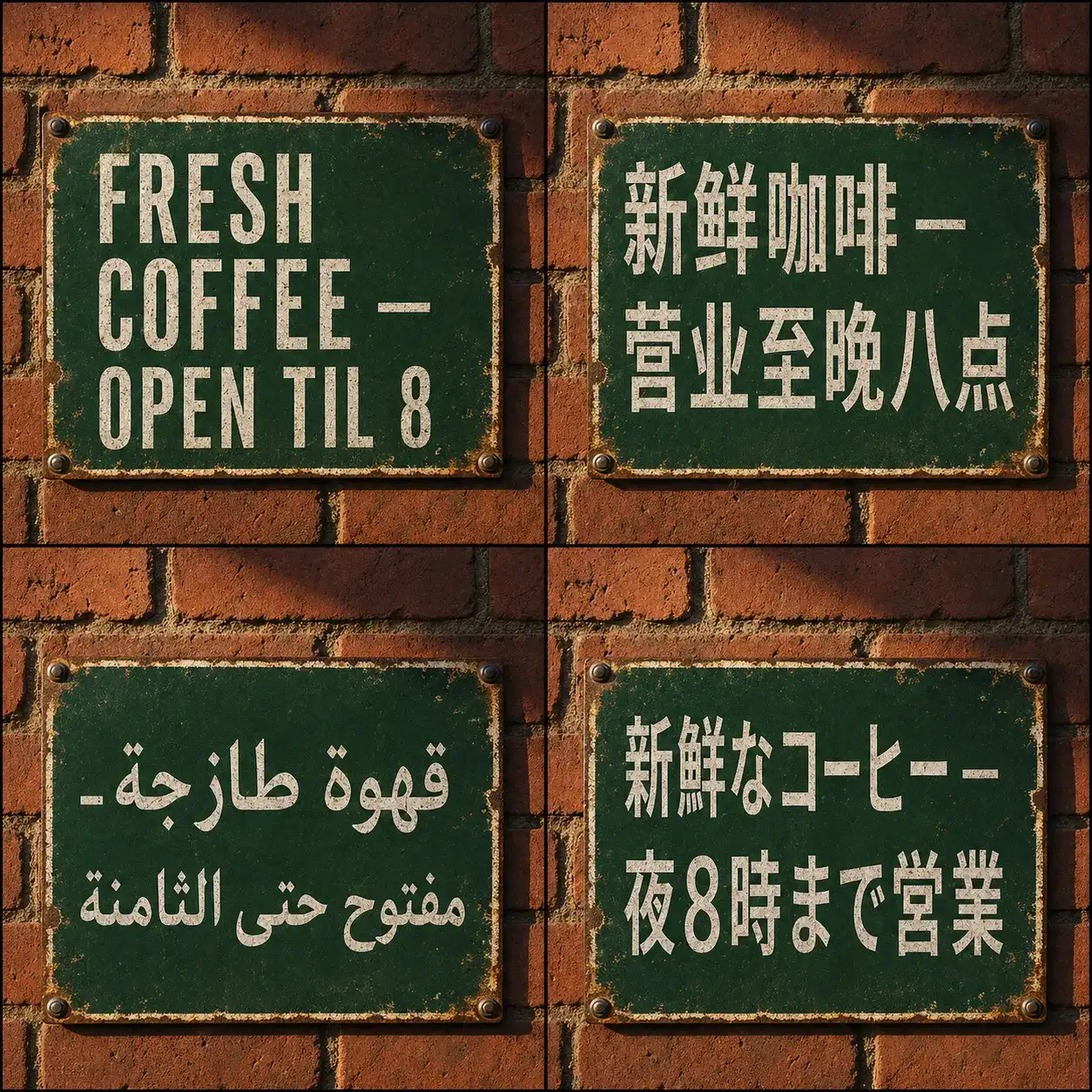
The same sign in four scripts. All legible.
Most image models can fake an English headline. Very few render Chinese characters with the right strokes, Arabic with proper right-to-left direction, or Japanese with crisp kanji and kana. Nano Banana 2 does all four reliably, with the same prompt and the same lighting — only the language token changes.
- ●English (Latin) — Crisp condensed sans-serif headlines, packaging copy, signage.
- ●Simplified Chinese — Correct stroke order and balance, no garbled radicals.
- ●Arabic (RTL) — Proper right-to-left rendering with connected letterforms.
- ●Japanese — Kanji + hiragana + katakana mixed cleanly in one line.
Transparent, resolution-based pricing
No tiers, no monthly minimums, no hidden surcharges. You pay per image, per resolution. Commercial use is included on every paid plan.
USD figures are based on the Starter plan ($19.9 / 1,200 credits). Effective price drops on every higher tier.
Nano Banana 2 vs Nano Banana Pro vs GPT Image 2
Three of the strongest image models on anyscene side by side. No marketing copy — just the trade-offs that decide which one you should pick.
| Capability | Nano Banana 2 | Nano Banana Pro | GPT Image 2 |
|---|---|---|---|
| Native max resolution | 4K (4096²) | 4K (4096²) | 4K (auto-blocked at 1:1) |
| Generation speed (1K) | ~6–8s | ~12–18s | ~10–15s |
| Multilingual text accuracy | ~99% (30+ scripts) | ~99% (30+ scripts) | ~95% (Latin + CJK) |
| Character consistency | 5 characters / 14 objects | 5 characters / 14 objects | Limited to series |
| Ultra-wide ratios (8:1, 1:8) | Yes | Yes | No |
| Reference images supported | Up to 14 | Up to 14 | Single reference |
| 1K / 2K / 4K credits | 8 / 14 / 22 | Higher tier | 8 / 14 / 22 |
| Commercial license | Included | Included | Included |
| Best for | Speed + quality balance | Maximum quality, no time pressure | Pixel-perfect Latin text |
Generate your first Nano Banana 2 image in three steps
No setup. No API key. The generator at the top of this page is already locked to Nano Banana 2.
Write a structured prompt
Lead with the subject, add scene and lighting, end with style. Nano Banana 2 follows long prompts well — there's no need to over-compress. For in-image text, wrap the exact phrase in double quotes.
Pick aspect ratio and resolution
Eleven aspect ratios from auto to 8:1 panoramic. Three resolutions: 1K (8 credits), 2K (14 credits), 4K (22 credits). Optionally upload up to fourteen reference images to enter image-to-image mode.
Generate, refine, download
Hit generate. Most 1K renders return in under eight seconds. Download as PNG or JPG, or feed the result back as a reference for another pass — the model keeps subject and style locked across iterations.
Four workflows where Nano Banana 2 wins today
Each card includes a copy-and-paste prompt calibrated to show off a Nano Banana 2 strength competing models still struggle with.
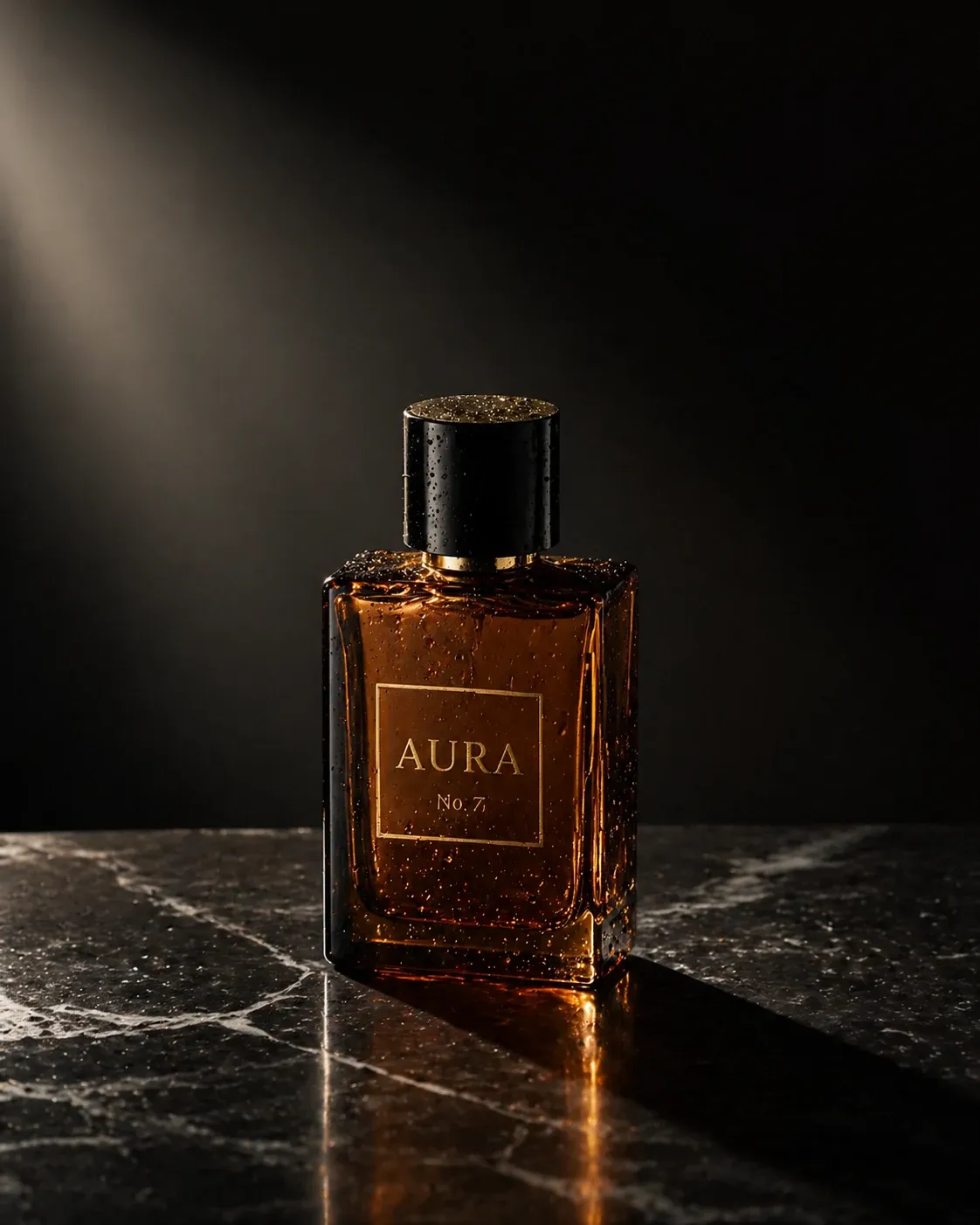
E-commerce product photography
Photoreal studio shots without renting a studio. Drop your product, name a scene, ship the listing.
A minimalist amber glass perfume bottle on a polished black stone surface, single dramatic spotlight upper-left, deep shadows, dewdrops on glass, photoreal product photography, label reads "AURA No. 7" in thin gold serif type
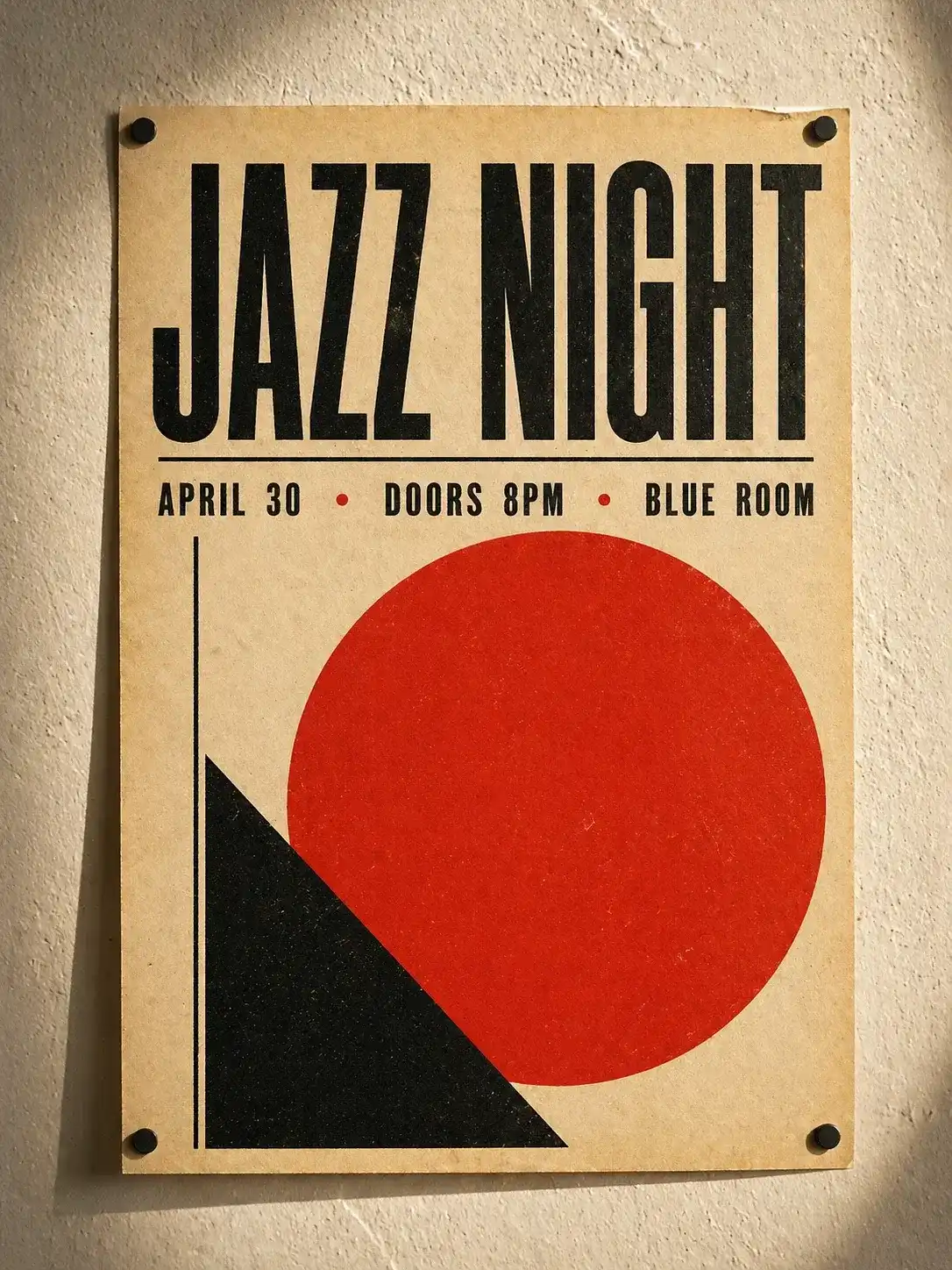
Marketing posters with crisp text
Bauhaus posters, gig flyers, event banners — Nano Banana 2 keeps the typography sharp at any size.
Vintage Bauhaus concert poster, bold red circle and ivory geometric shapes, headline "JAZZ NIGHT" in large condensed sans-serif, subtitle "APRIL 30 · DOORS 8PM · BLUE ROOM", subtle paper grain
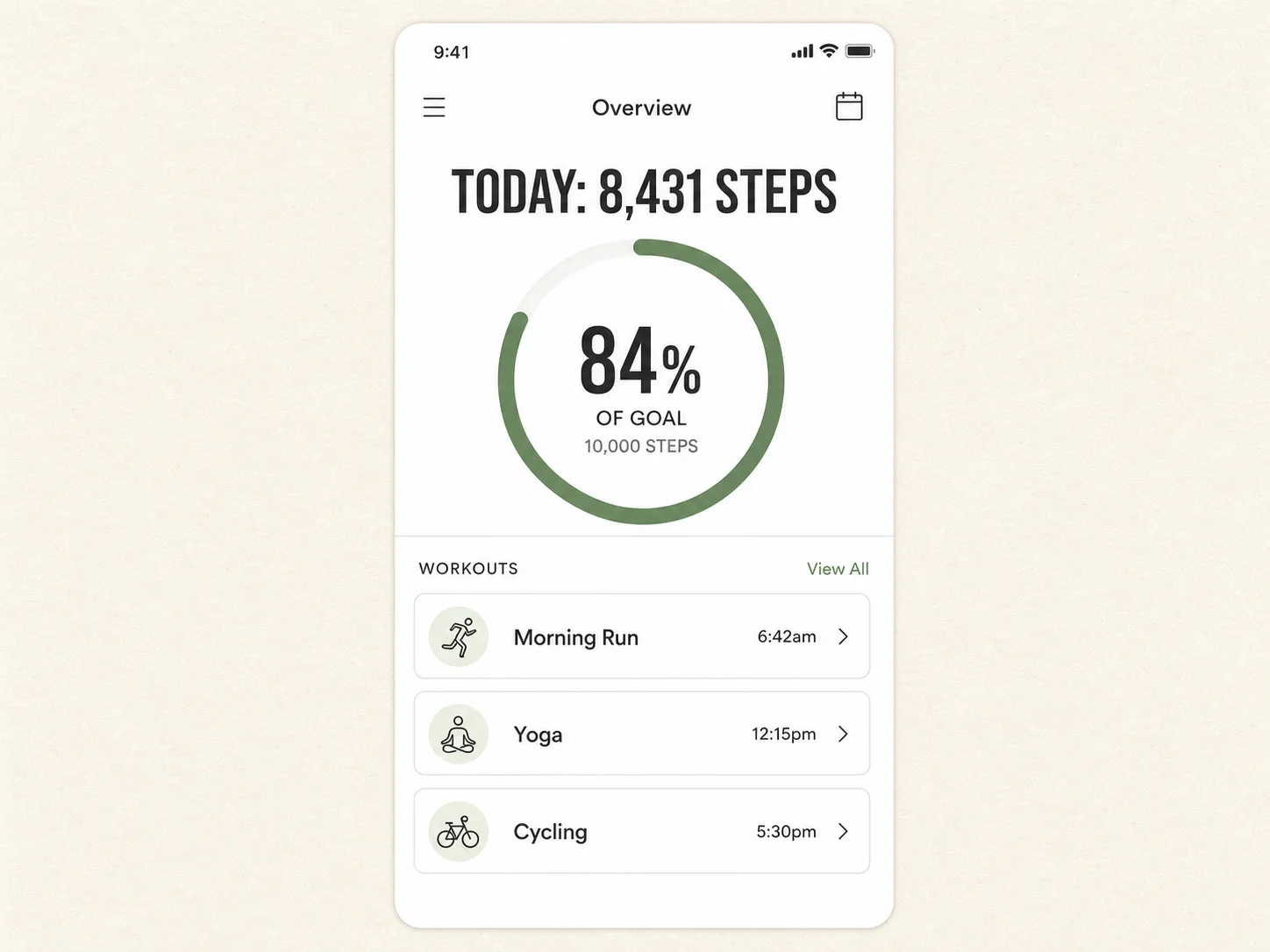
App and web UI mockups
Pixel-perfect interface mockups with real-feeling copy, perfect for client demos and design system docs.
Flat-design iOS fitness app screen, headline "TODAY: 8,431 STEPS", green progress ring at 84%, three workout cards titled Morning Run, Yoga, Cycling — clean 1px UI lines, generous whitespace, no shadows
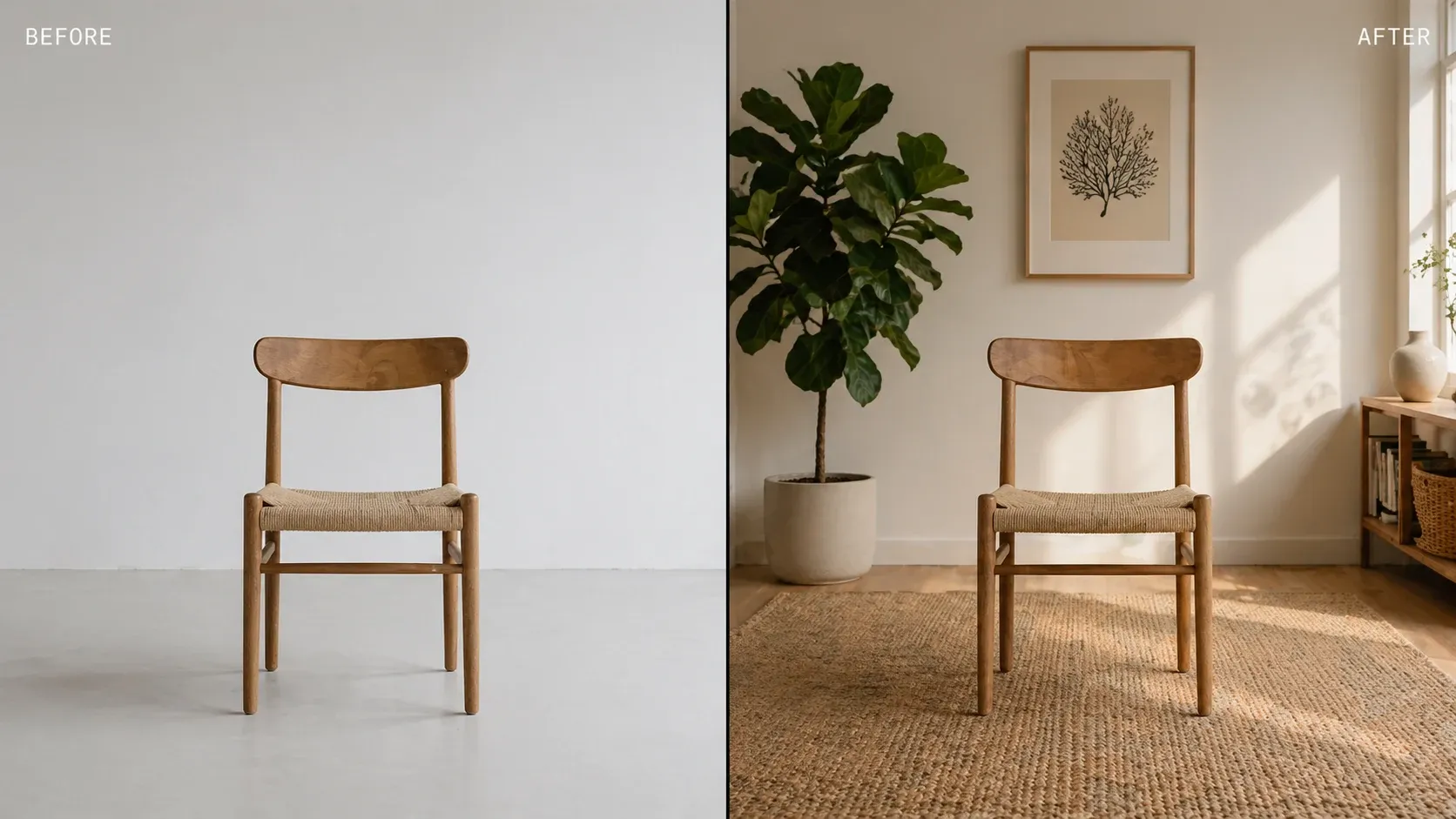
Image-to-image scene editing
Preserve the subject, transform the background. Upload a clean shot, prompt a new context, get a coherent edit.
Same wooden chair, same camera angle, but transform the empty white room around it into a sunlit Scandinavian living room — woven jute rug, fiddle-leaf fig, framed art print, late afternoon window light
Eight tips that get more out of Nano Banana 2
Patterns that consistently produce better outputs — gathered from the prompts that actually shipped to production.
Lead with the subject
Open the prompt with what the image is of, then add scene, lighting, and style. Nano Banana 2 weights the first clause heaviest, so put the most important noun there.
Quote the exact text you want rendered
Wrap in-image text in double quotes — "OPEN 24H" — so the model treats it as a typographic element, not a vague reference. This is the single biggest text-rendering accuracy boost.
Name the language and script
For non-English text, add a phrase like "in simplified Chinese characters" or "in Arabic right-to-left script". The model picks the right glyph set instead of guessing.
Use up to fourteen reference images
Each reference image gives the model a visual anchor. Combine a person, a product, a scene, and a mood reference for fused outputs that respect every input.
Name characters explicitly
Give characters proper nouns — "Mira, a curly-haired barista in a denim apron" — and reuse the same name across prompts. It's the simplest way to lock identity across a series.
Pick the format for the venue
Ultra-wide 8:1 for panoramic web banners, ultra-tall 1:8 for full-screen mobile stories, 1:1 for social tiles, 16:9 for landing-page heroes. Auto only when you genuinely don't know.
Match resolution to the budget
Run drafts at 1K for 8 credits each. Promote only the winning prompt to 2K (14 credits) or 4K (22 credits). Iterating at 4K wastes nearly 3× the credits per round.
Add camera and lighting language
Phrases like "35mm photo", "shallow depth of field", "hard side light from upper-left", and "golden hour" steer Nano Banana 2 toward photoreal output and away from generic AI gloss.
Questions about Nano Banana 2
The questions teams ask most often before switching to Nano Banana 2.
Try Nano Banana 2 now
Scroll back up. The generator is locked to Nano Banana 2 and ready — write a prompt, pick a resolution, hit generate. Your first image returns in under ten seconds.
Generate with Nano Banana 2